Viral Video: Danapur Rail TTE Allegedly Harasses Passenger Over Caste
 May, 26 2026
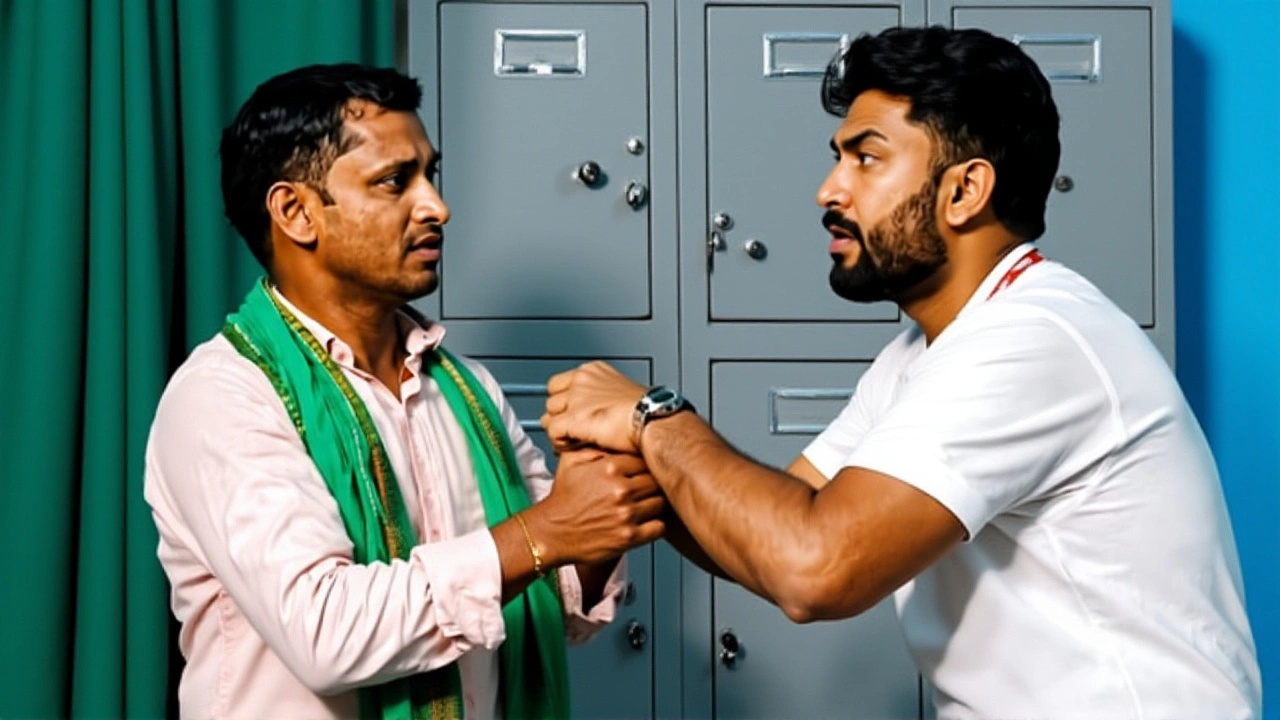
A short clip circulating on social media has ignited a firestorm across Indian Railways, alleging that a ticket examiner harassed a passenger based on his perceived caste. The incident, centered in the Danapur Railway Division, involves a young man wearing a green gamcha (scarf) who was reportedly questioned aggressively by staff inside an AC coach.
The video, which has gone viral within hours of its upload, shows a tense confrontation where railway staff ask the passenger if he belongs to the Yadav community. According to witnesses and those sharing the footage, the interaction escalated quickly, leading to what many are calling "dabangai"—a Hindi term implying arrogant or bullying behavior.
The Incident Unfolds
Here’s the thing about viral videos: they often capture raw emotion but leave out crucial context. In this case, the narrative is driven by a visual cue—the green gamcha, a symbol often associated with certain political and social groups in North India. The passenger, identified only as a young man in the footage, was traveling in an air-conditioned compartment when the trouble started.
Railway staff, including a Travelling Ticket Examiner (TTE), allegedly approached him and asked pointed questions about his identity. One phrase repeated in the video’s captions is "Yadav ho?" (Are you a Yadav?). This question, rather than a standard inquiry about tickets or travel documents, appears to be the trigger for the subsequent conflict. The TTE’s actions following this exchange are described in online posts as a "kaand" (scandal or mess), suggesting excessive force, verbal abuse, or unjustified punishment.
The exact nature of the TTE’s misconduct remains unclear from the snippets available. Was it physical assault? Verbal humiliation? Or perhaps an arbitrary fine? The details are still fuzzy, but the public reaction has been swift and severe. Commuters watching the clip expressed outrage at what they perceived as caste-based profiling by state employees.
Social Media Erupts
Turns out, nothing spreads faster than allegations of bias against public servants. Within hours, hashtags like #DanapurRailDivision and #GreenGamcha began trending on regional platforms. Users shared the video with captions condemning the "arrogance" of the railway staff. Many drew parallels to previous incidents where passengers were treated poorly due to their appearance or background.
But wait, let’s look closer. The green gamcha itself has become a focal point. In Bihar and surrounding regions, it’s not just a piece of cloth; it’s a cultural marker. For some, it signals political affiliation or community identity. By fixating on this item, the railway staff may have inadvertently tapped into deep-seated sensitivities around caste and class in Indian society.
Interestingly, no official statement has emerged yet from the East Central Railway, the zone overseeing the Danapur division. Usually, in cases involving viral controversies, authorities issue a press release within 24 hours to clarify facts or announce investigations. The silence so far is adding fuel to the speculation.

Historical Context and Precedents
This isn’t the first time Indian Railways has faced scrutiny over employee conduct. In recent years, there have been multiple reports of TTEs abusing their power—from demanding bribes to ejecting passengers without valid reasons. However, incidents involving explicit caste references are particularly sensitive given India’s history of social stratification.
Recall the 2023 controversy where a similar allegation surfaced in another zone, leading to the suspension of three officials. That case highlighted how quickly public opinion can turn against institutions perceived as discriminatory. Experts argue that such episodes undermine trust in public transport systems, especially among marginalized communities who rely heavily on trains for daily commute.
Moreover, the use of technology to document these abuses has changed the game. Previously, victims had little recourse beyond filing complaints that might go unnoticed. Now, a smartphone camera can expose wrongdoing to millions, forcing accountability—or at least prompting immediate responses.
What Happens Next?
If the allegations hold up under investigation, the consequences could be significant. Under service rules, misconduct by railway employees can lead to disciplinary action ranging from warnings to termination. If caste discrimination is proven, legal provisions under the SC/ST (Prevention of Atrocities) Act might also come into play, though applying this law requires specific evidence of intent.
For now, commuters await clarity. Will the Danapur division launch an internal probe? Has the accused TTE been suspended pending inquiry? These questions remain unanswered. Meanwhile, the passenger involved has not publicly commented, leaving his perspective unknown.
As the debate continues, one thing is certain: this incident will likely prompt renewed discussions about training and oversight within Indian Railways. Can better protocols prevent such encounters? Should sensitivity training be mandatory for all frontline staff? Only time—and official action—will tell.
Frequently Asked Questions
Who is involved in the viral video?
The video features an unidentified young male passenger wearing a green gamcha and a Travelling Ticket Examiner (TTE) from the Danapur Railway Division. No names have been released officially, and the passenger’s identity remains protected in most shares of the footage.
Why is the green gamcha significant?
In parts of North India, particularly Bihar, the green gamcha is often associated with specific political parties and social communities, including the Yadavs. Its presence led staff to question the passenger’s caste, sparking accusations of profiling and bias.
Has any action been taken against the TTE?
As of now, no official announcement has been made by the East Central Railway regarding suspensions or inquiries. Typically, such cases trigger an internal departmental investigation, but timelines vary depending on the severity of allegations.
Is this part of a larger trend?
Yes, similar incidents of alleged harassment by railway staff have occurred in other zones. While most involve financial extortion or rudeness, cases citing caste or religious bias are rarer but carry higher social and legal implications due to anti-discrimination laws.
Where did this incident take place?
The incident occurred aboard a train operating under the jurisdiction of the Danapur Railway Division, which covers several districts in Bihar. The specific train number, route, and station were not disclosed in the initial viral reports.