South Africa chase 359 to tie series, equal Australia's record vs India in Raipur
 Dec, 4 2025
When South Africa walked onto the pitch at the Shaheed Veer Narayan Singh International Cricket Stadium in Raipur on December 3, 2025, no one expected them to walk off with a win — let alone a historic one. But that’s exactly what happened. Chasing 359 against India in the second ODI of the series, South Africa pulled off the second-highest successful run-chase in ODI history against India, matching Australia’s 2019 feat in Mohali. And they did it with just 0.4 overs to spare. Four wickets down, but the spirit? Unbroken.
A Record-Breaking Chase
It wasn’t just about the numbers — though they were staggering. Aiden Markram opened with purpose, scoring 103 off 112 balls, his calm authority setting the tone. Then came Matthew Breetzke with a blistering 74, and Dewald Brevis with a 56 that felt like a dagger to India’s nerves. The target? 359. The total? 362 for 6 in 49.2 overs. The crowd? Silent. The scoreboard? Unbelievable.
This was South Africa’s third successful chase of 350+ in ODIs — tying India for the most in history. And it came against the team that, until now, had been the most difficult to chase against on home soil. The previous record between these two sides? 681 runs total — set just two days earlier in Ranchi. This match? 720. A new benchmark. A new chapter.
India’s Masterclass in Batting
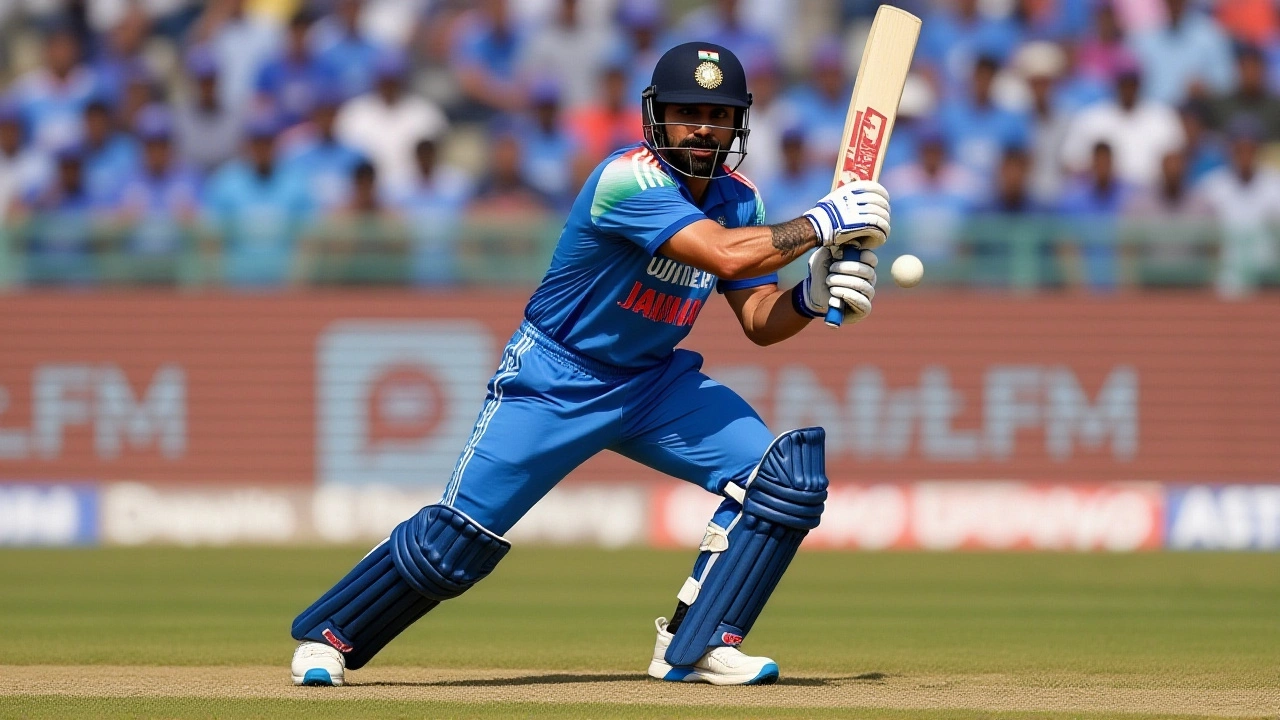
But let’s not pretend India rolled over. They put up a fight that felt like a statement. After losing Rohit Sharma and Yashasvi Jaiswal early, Virat Kohli and Ruturaj Gaikwad turned the game on its head. Kohli, 36 years old, played like a man with something to prove — 102 off 93 balls, seven fours, two sixes. His 53rd ODI century. Gaikwad, the elegant 27-year-old, countered with 105 off 83, his strokeplay a masterclass in timing. Together, they added 195 for the third wicket — the backbone of India’s 358 for 5.
KL Rahul added 66, steadying the ship after the big hitters fell. Even Ravindra Jadeja, usually a finisher, chipped in with 24 not out. India had every reason to believe they’d won. Until the last 10 overs.
India’s Bowling Collapses
Here’s the twist: India’s attack didn’t fail because of poor planning — it failed because of pressure. Prasidh Krishna bowled 8.2 overs for 82 runs. Eighty-two. In a high-stakes chase, that’s a death sentence. Harshit Rana gave away 70 in his 10 overs. Arshdeep Singh, usually reliable, took two wickets but couldn’t contain the flow. The spinners? Too predictable. The pace? Too slow. The field placements? Too cautious.
South Africa didn’t need miracles. They just needed time. And India, perhaps overconfident after their 358, didn’t adjust. The bowlers looked tired. The captain, Shubman Gill, was absent — not injured this time, but visibly out of sync. His absence from the field after the Test match drama in Kolkata may have had ripple effects.
Context: A Series of Firsts
This ODI wasn’t an isolated event. It was the climax of a stunning tour. Just weeks earlier, South Africa had ended India’s 15-year unbeaten streak at home in Test cricket — winning the first Test in Kolkata by 30 runs on November 16, 2025. In that match, Simon Harmer took eight wickets, and India collapsed chasing 124, with Gill hospitalized after the match. Then came the second Test in Guwahati, where South Africa set India a record 549-run target — the highest ever in home conditions. India fell short, but the psychological weight? Heavy.
Now, in ODIs, South Africa has matched India’s own legacy of big chases. The last time a team chased 359+ in India? Australia in Mohali, 2019. Ashton Turner’s 84* (43) did it then. This time? A team effort. A collective will. A statement.
What’s Next: The Decider in Delhi
The series is tied 1-1. The decider? Saturday, December 5, 2025, at the Arun Jaitley Stadium in Delhi. And the stakes? Higher than ever. South Africa, riding a wave of confidence, will look to complete a historic tour — beating India in Tests and ODIs on home soil for the first time. India, on the other hand, will need to rediscover their bowling identity — and fast.
One thing’s clear: cricket fans aren’t just watching a series. They’re witnessing a shift. South Africa isn’t just competitive anymore. They’re dangerous. And India? They’ve been exposed.
Frequently Asked Questions
How does this chase rank in ODI history?
This 359-run chase is the second-highest successful target ever against India in ODIs, tying Australia’s 2019 record in Mohali. Only once before has a team chased more than 350 against India on home soil — Australia’s 360 in 2013 in Delhi. South Africa now joins India as the only teams with three 350+ successful chases in ODI history.
Why was Prasidh Krishna’s spell so costly?
Prasidh Krishna bowled 8.2 overs for 82 runs, including 11 fours and 4 sixes. His lack of variation and poor line in the death overs allowed South Africa’s middle order to dominate. He conceded 24 runs in the 47th over alone — a critical moment when India needed to break the partnership. His economy rate of 9.76 was the worst among India’s frontline bowlers.
What’s the significance of South Africa’s win in the context of their Test series victory?
South Africa’s Test win in Kolkata (November 16, 2025) ended India’s 15-year unbeaten home Test record. Their ODI win in Raipur completes a rare double — beating India in both formats on home soil in the same tour. No team has done this since Australia in 2004. It signals a major shift in power dynamics between the two sides.
How does this affect India’s World Cup preparation?
India’s bowling attack, particularly in high-pressure chases, has been exposed. With the 2027 World Cup looming, their inability to defend totals above 350 — especially under pressure — is a red flag. The lack of a consistent death bowler and poor field placements in the final overs could be costly in knockout matches. Coaches are already reviewing footage from Raipur.
Who holds the record for the highest ODI chase overall?
The highest successful ODI chase ever is 418/5 by South Africa against Australia in Johannesburg in 2006. But chasing 359+ against India — a team known for strong home pitches and disciplined bowling — is considered far more difficult. That’s why this win is seen as one of the most impressive in modern ODI history.
What’s the record for most centuries in a single ODI between India and South Africa?
This match produced four centuries — two each from India (Kohli, Gaikwad) and South Africa (Markram, Breetzke). It’s the first time in ODI history that four centuries were scored in a single match between India and South Africa. The previous record was three, set in 2010 in Johannesburg.