Maruti Suzuki Launches India's First E100 Flex Fuel Wagon R on June 5
 May, 26 2026
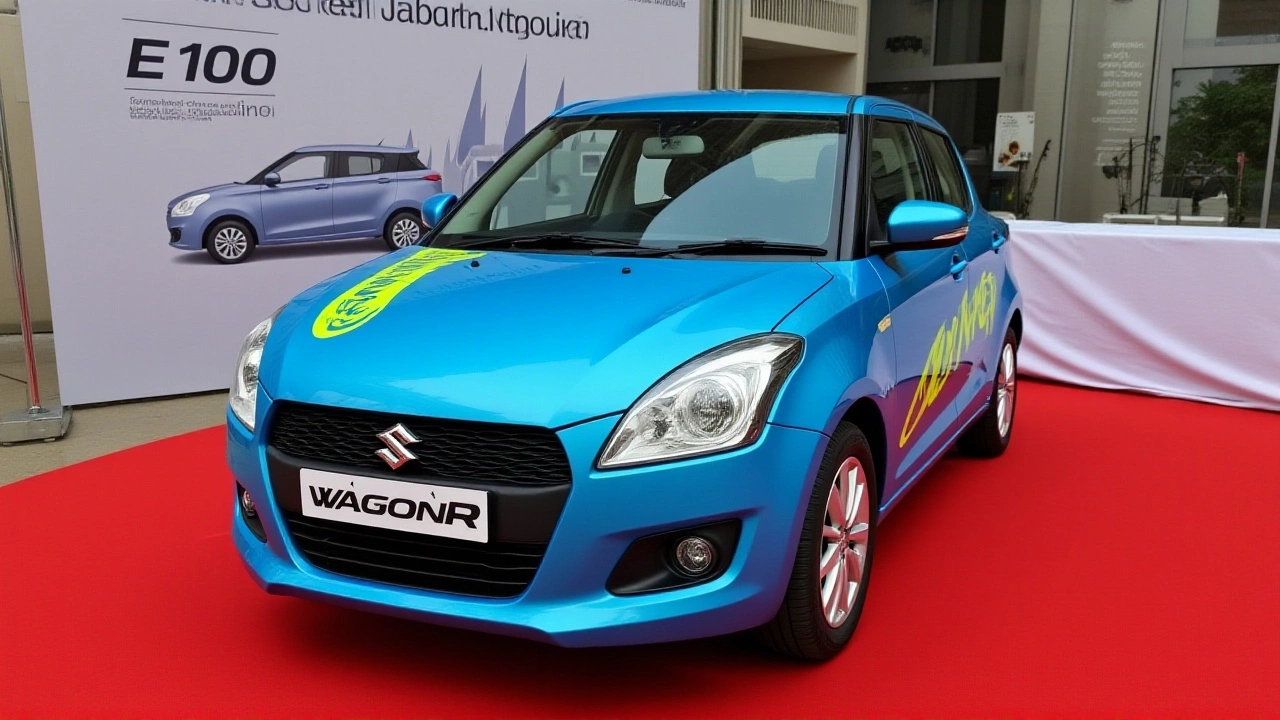
It’s happening. Maruti Suzuki India Limited is set to officially launch the Wagon R E100 on June 5, 2026, marking a historic shift in the Indian automotive landscape. This isn't just another car update; it’s India’s first mass-market passenger vehicle capable of running on 100% ethanol fuel. The launch coincides with World Environment Day celebrations, signaling a deliberate move to align corporate innovation with national sustainability goals.
The timing is no accident. Just two months prior, in April 2026, the Ministry of Road Transport and Highways updated its certification norms to include E100 fuel testing. That regulatory green light paved the way for this moment. For years, drivers have been told to adjust to E20 (20% ethanol blend). Now, the jump to pure ethanol is here, and Maruti Suzuki is leading the charge.
A Regulatory Green Light
Here’s the thing: technology alone doesn’t drive change. Policy does. The central government has been pushing hard on ethanol blending as part of its broader energy security strategy. Under the leadership of Prime Minister Narendra Modi, initiatives like the 'Fuel Bachao' (Save Fuel) appeal have kept the conversation alive. But the real turning point came when Nitin Jayram Gadkari, Union Minister for Road Transport and Highways, publicly endorsed the development of flex-fuel vehicles.
Gadkari didn’t just offer vague support. He confirmed that the Wagon R-based vehicle would be Maruti’s first mass-market entry into the 100% ethanol space. His endorsement carried weight because it followed the Ministry’s formal inclusion of E100 standards in automobile testing protocols. Without that bureaucratic nod, manufacturers couldn’t certify these engines for public sale. It’s a classic case of policy preceding product.
Why the Wagon R?
You might wonder why Maruti chose the Wagon R instead of a flashier sedan or SUV. Turns out, it’s about practicality and reach. The Wagon R is already one of India’s best-selling cars, beloved by families and small business owners alike. By retrofitting this proven platform with a specialized ethanol-compatible engine, Maruti ensures immediate market penetration.
The new engine configuration differs significantly from standard petrol units. Ethanol requires different fuel injection systems, corrosion-resistant components, and adjusted compression ratios. Maruti showcased prototypes at the Bharat Mobility Expo and Auto Expos in 2023, 2024, and 2025, refining the tech over three years. While both 1200cc and 1500cc engines are technically compatible, the final E100 model features a tuned variant optimized for high-ethanol efficiency.
Early speculation pointed to a March 2026 launch, but supply chain adjustments and final regulatory clearances pushed the date to June 5. Some reports even hinted at a Fronx Flex Fuel variant with sporty alloy wheels and split headlamps. However, authoritative sources like Navbharattimes and GaadiWaadi.com confirm the Wagon R remains the sole focus for this initial rollout.
Competitors Take Note
Maruti isn’t alone in this race. Tata Motors Limited, headquartered in Mumbai, is preparing its own counter-move. Reports indicate a Flex Fuel version of the Tata Punch is in advanced development. If successful, this could spark a mini-war in the compact SUV segment, forcing other automakers to accelerate their biofuel strategies.
This competition matters. When multiple players enter the arena, prices tend to drop, and innovation speeds up. Consumers benefit from choice, while the industry pushes toward greater fuel diversity. It’s a healthy dynamic that mirrors the electric vehicle boom of the early 2020s.
The Economic Angle
Let’s talk money. Ethanol is generally cheaper than petrol in India, thanks to domestic production from sugarcane and rice straw. Switching to E100 could save drivers significant amounts on fuel costs, though the exact savings depend on local ethanol pricing and engine efficiency. Early estimates suggest a 15-20% reduction in per-kilometer running costs compared to pure petrol.
Beyond individual savings, there’s a macroeconomic impact. India imports over 80% of its crude oil. Every liter of ethanol used is a liter of imported oil not needed. This reduces the trade deficit and strengthens energy independence. The National Biofuel Policy aims for 20% blending by 2025 (a target largely met ahead of schedule) and plans to advance to E30 in coming years. The Wagon R E100 is a stepping stone toward that higher threshold.
What Comes Next?
The launch on June 5 is just the beginning. Expect a phased rollout, starting with major metropolitan areas where ethanol refueling infrastructure is most robust. Over the next 12-18 months, Maruti will likely expand availability to tier-2 cities as pump networks adapt.
Watch for updates on engine performance data, real-world mileage tests, and maintenance guidelines. These details will determine whether early adopters recommend the switch to skeptics. If the Wagon R E100 proves reliable and cost-effective, it could trigger a wider industry shift toward flex-fuel technology across all segments.
Frequently Asked Questions
When exactly is the Wagon R E100 launching?
The official launch date is June 5, 2026. This timing aligns with World Environment Day, emphasizing the eco-friendly nature of the vehicle. Earlier rumors suggested a March 2026 release, but regulatory finalizations delayed the announcement until mid-year.
Can I use regular petrol in the Wagon R E100?
Yes, as a "Flex Fuel" vehicle, it can run on any blend of petrol and ethanol, from E0 (pure petrol) to E100 (pure ethanol). The engine automatically adjusts based on the fuel composition detected in the tank. This flexibility ensures you’re never stranded if ethanol pumps aren’t available nearby.
Who approved the E100 testing standards?
The Ministry of Road Transport and Highways, under Union Minister Nitin Gadkari, updated the certification norms in April 2026. This regulatory change allowed manufacturers to test and certify vehicles for 100% ethanol operation, removing a major legal barrier to commercialization.
Is Tata Motors also releasing a flex-fuel car?
Yes, Tata Motors is developing a Flex Fuel variant of its Punch SUV. While specific launch dates remain unconfirmed, industry reports suggest it will follow closely behind Maruti’s Wagon R E100. This competitive pressure may accelerate the availability of ethanol-ready vehicles across brands.
How much cheaper is ethanol compared to petrol?
Ethanol is typically priced lower than petrol due to subsidies and domestic production incentives. Drivers can expect roughly 15-20% savings on fuel costs when using E100, though exact figures vary by region and current market rates. These savings make the Wagon R E100 particularly attractive for high-mileage users.