Couple honored with Padma Shri for 39 years of free healthcare in Abujhmad
 May, 27 2026
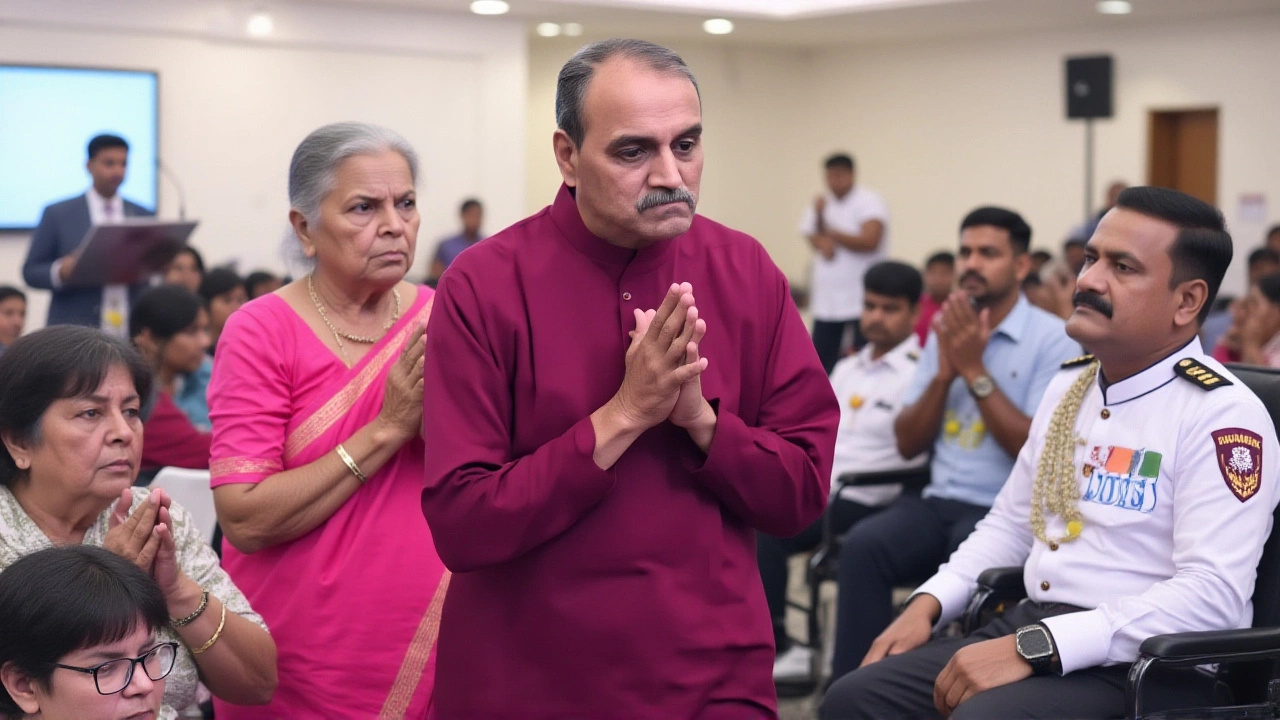
When Dr. Ramchandra Godbole, a physician who has spent nearly four decades treating patients in India’s most inaccessible regions, and his wife were jointly awarded the Padma Shri on Monday, it wasn’t just a personal triumph—it was a validation of selfless service in one of the country’s toughest terrains. The couple, based in Bastar district of Chhattisgarh, received India’s fourth-highest civilian award for providing free medical care to tribal communities in naxal-affected areas.
Here’s the thing: this isn’t your typical urban hospital success story. For 39 years, Dr. Godbole and his wife Sunita have walked through dense forests and remote villages in the Abujhmad region—a place often labeled as "hardcore" due to prolonged insurgency and lack of infrastructure. They didn’t wait for government schemes or NGO funding. They just started treating people. Free of charge.
A Journey From Maharashtra To The Heart Of Bastar
The Godboles are originally from Satara district in Maharashtra. But their path led them far from home—to the Vanvasi Kalyan Ashram in Barsur, where they now live and operate their clinic. It’s a modest setup, but its impact is massive. According to reports from Raipur, the couple has been serving these isolated tribal belts since the mid-1980s, long before digital health records or telemedicine became buzzwords.
They don’t just treat illnesses—they educate. Patients learn about symptoms, prevention, and hygiene. In regions where basic awareness is scarce, that knowledge can be life-saving. And they do it all without charging a single rupee. No fees. No hidden costs. Just medicine, care, and conversation.
Service In A Zone Where Few Dare To Go
Abujhmad isn’t just remote; it’s dangerous. Decades of Maoist insurgency have made travel risky, communication spotty, and state presence minimal. Yet, the Godboles kept going. Week after week. Year after year. Their routine? Walk miles into villages, set up temporary clinics, dispense medicines, explain diseases, and return—only to repeat the cycle days later.
Turns out, consistency matters more than spectacle. While others saw danger, they saw need. And while many would have quit after a few months, they stayed for 39 years. That kind of dedication doesn’t go unnoticed forever.
Recognition At Last: Padma Shri Honors Two Lifetimes Of Service
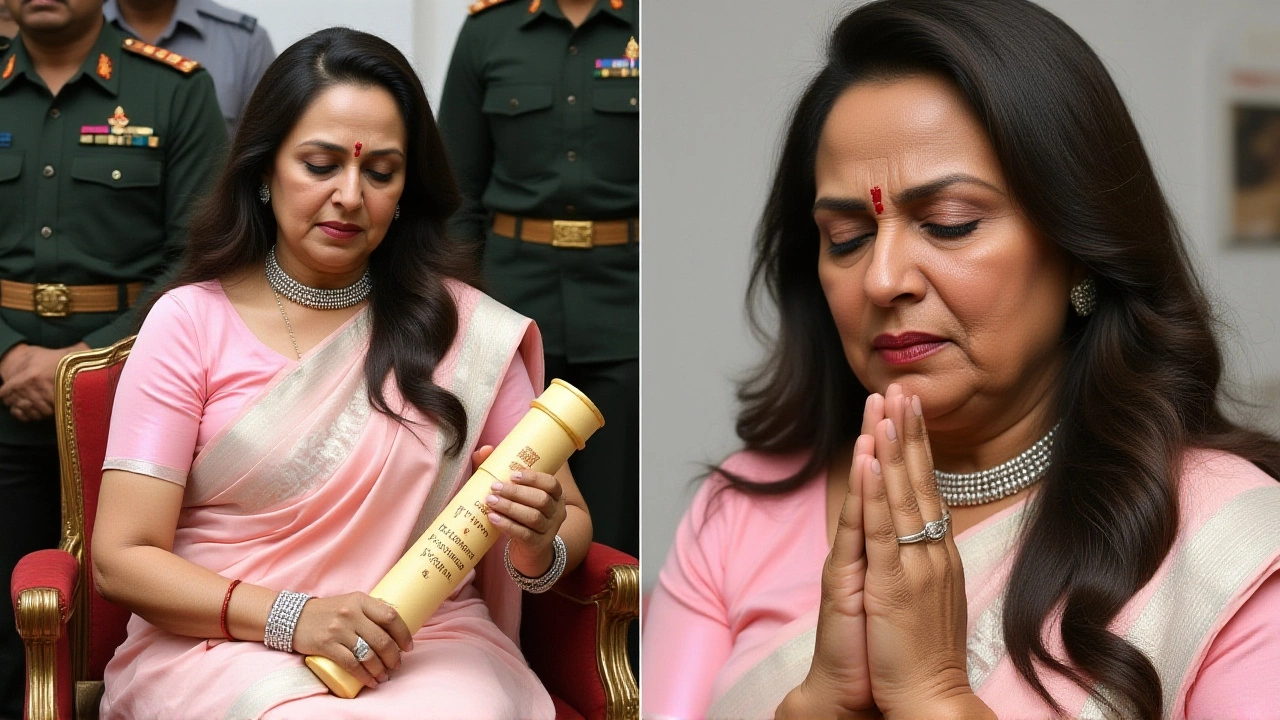
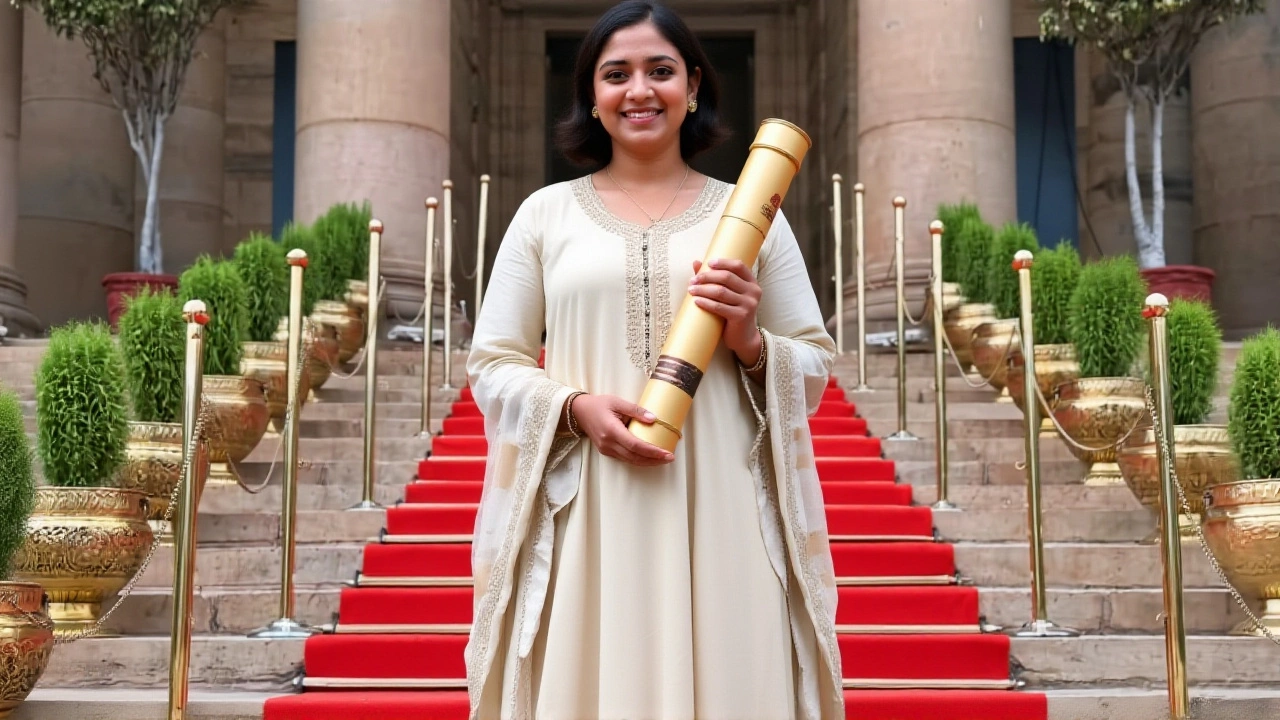
On Monday, the Government of India recognized their efforts by awarding both Dr. Ramchandra Godbole and Sunita Godbole the Padma Shri. It’s rare for spouses to receive such honors together, especially for grassroots work done quietly over decades. This joint recognition underscores how deeply intertwined their lives and missions have become.
Vishnu Deo Sai, Chief Minister of Chhattisgarh, praised the couple publicly, calling their achievement a source of pride and inspiration for the entire state. “Their decades-long selfless medical service and humanitarian example deserve every bit of this honor,” he said. His words carried weight—not just politically, but emotionally—for a community that rarely sees its struggles acknowledged at national levels.
Why This Matters Beyond The Award
This isn’t just about two individuals getting medals. It’s about what happens when compassion meets persistence in places forgotten by mainstream development. Abujhmad remains underdeveloped, underrepresented, and underserved. But thanks to the Godboles, thousands have access to basic healthcare they otherwise wouldn’t have had.
Experts say models like theirs could inform future rural health strategies. Imagine scaling this approach—with training, logistics support, and safety protocols—across other hard-to-reach zones. Not replacing formal systems, but supplementing them where they fall short.
What’s Next For The Godboles?
Despite the accolades, the couple shows no signs of slowing down. They plan to continue their walks into Abujhmad, treating whoever needs help. There’s talk of expanding outreach programs, possibly partnering with local authorities to improve drug supply chains and train village health workers—but nothing official yet.
One thing is clear: the Padma Shri won’t change their mission. If anything, it might amplify it. More eyes on their work means more potential supporters, volunteers, and resources flowing toward those same forgotten villages.
Background: How Did They Start?
Dr. Ramchandra Godbole began practicing medicine in Maharashtra before moving to Chhattisgarh in the early 1980s. What started as occasional visits turned into full-time commitment once he realized how severely neglected tribal populations were. With Sunita joining him soon after, they established their base at Vanvasi Kalyan Ashram in Barsur—a sanctuary not just for displaced forest dwellers, but also a hub for mobile health services.
Over time, word spread. Villagers began trusting them. Some traveled dozens of kilometers on foot just to see them. Others sent children ahead to fetch adults who refused treatment elsewhere. Trust built slowly, brick by brick, visit by visit.
Frequently Asked Questions
Who are Dr. Ramchandra and Sunita Godbole?
They are a married couple from Maharashtra who have lived and worked in Bastar, Chhattisgarh, for nearly 40 years. Dr. Ramchandra is a qualified physician, and together they provide free medical consultations, medicines, and health education to tribal communities in remote, naxal-affected areas like Abujhmad.
What is the Padma Shri award?
The Padma Shri is India’s fourth-highest civilian award, given annually by the Government of India to recognize distinguished contributions in various fields including art, literature, science, sports, industry, medicine, and social work. It’s typically announced on Republic Day (January 26) and conferred in ceremonies held later in the year.
Why is Abujhmad considered so difficult to serve?
Why is Abujhmad considered so difficult to serve?
Abujhmad is a densely forested, geographically isolated region in Bastar district known for persistent Maoist insurgency. Poor road connectivity, limited mobile network coverage, and security risks make regular access challenging. Many government services struggle to reach here consistently, making private initiatives like the Godboles’ even more vital.
How long have they been working in Bastar?
Approximately 39 years. Reports indicate they’ve been actively engaged in healthcare delivery in Bastar since the mid-1980s, starting around 1985–1986. Their continuous presence makes them among the longest-serving independent medical providers in the region.
Did anyone else react to the award?
Yes. Chief Minister Vishnu Deo Sai publicly congratulated them, calling their work an inspiration for all of Chhattisgarh. Local residents, fellow activists, and media outlets across India have also expressed admiration, highlighting the rarity of sustained, unpaid service in high-risk zones.